Why Exercise Isn’t Working After 40: 5 Areas to Review
Nov 08, 2026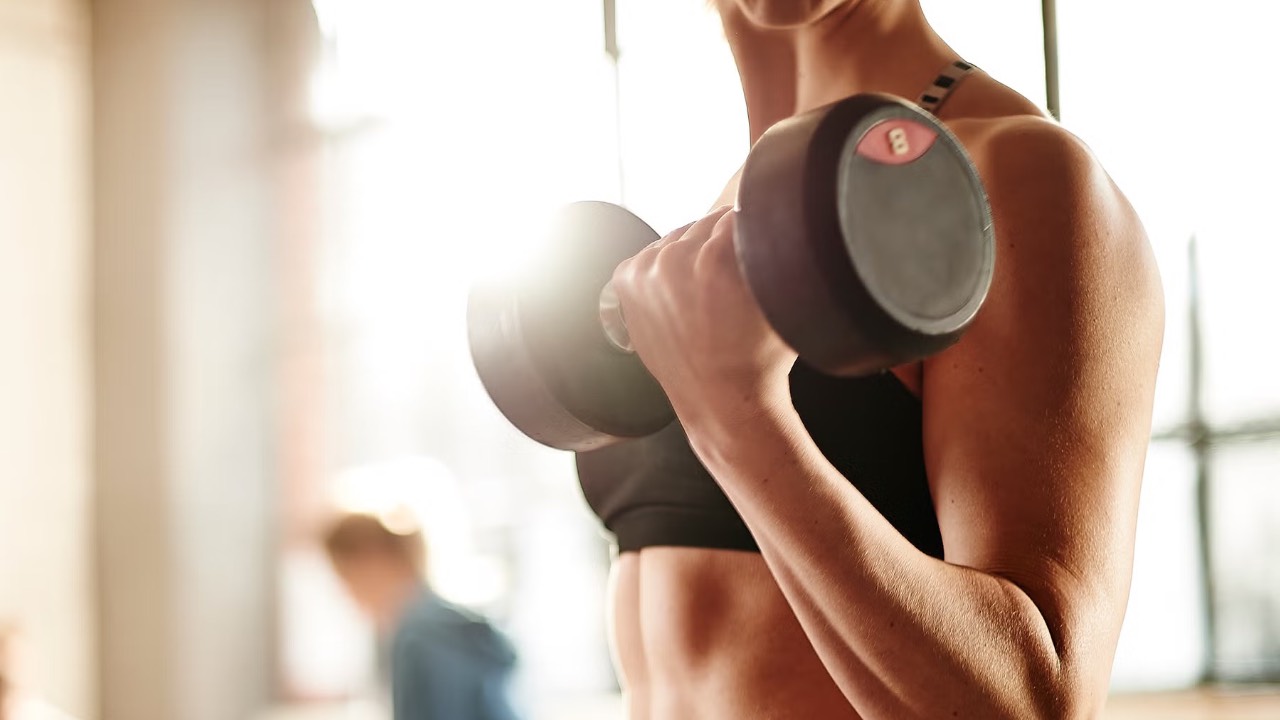
“I’m eating well. I’m exercising. I’m walking. I’m doing everything that used to work for me. So why isn’t anything changing?”
This is something I hear from women all the time.
Sometimes they’re talking about weight around their middle. Sometimes it’s waking up tired, struggling through workouts or feeling sore for days afterwards. Often, it’s the frustration of putting in so much effort and wondering where the results have gone.
If you’re wondering why exercise isn’t working after 40, it’s worth looking at more than your workouts. What you eat, how you train, your sleep and the demands of everyday life all belong in the conversation.
After more than 18 years working in exercise, health and rehabilitation, there’s something I always want to understand before asking a woman to do more:
What is her body already being asked to cope with?
That’s the starting point of episode 2 of AWAKEN with Louisa Sammartino. Here are five areas to review before adding another workout or cutting back on food again.
1. Are you fuelling your body adequately?
When you’re unhappy with your weight or body composition, eating less can feel like the obvious next step.
And yes, energy balance matters for fat loss. Calories don’t suddenly stop mattering because you’re over 40. But creating an appropriate energy deficit is different from continually trying to eat as little as possible.
Perhaps you start the day with coffee, skip breakfast and have something light for lunch. By late afternoon, you’re searching the cupboard for something sweet. You pick while preparing dinner, then spend the evening thinking about food.
Before calling that a lack of discipline, look at what came before it. Have you eaten enough to support your day?
Your body needs protein for muscle repair, carbohydrates to help fuel activity, dietary fats, vitamins, minerals and fibre. Training adds to those demands.
Think about driving your car all day while continually putting less fuel in the tank. When it starts spluttering, you wouldn’t ask it to show more willpower.
A practical place to start: look at breakfast and lunch. Do they include a protein source, vegetables or fruit, a source of fibre and enough food to leave you satisfied? A salad can be a great meal, but what you put in it matters.
Eating more is not automatically a fat loss strategy. The goal is to find an approach that supports your nutrition needs, training and goals without leaving you constantly hungry and exhausted.
2. Are you training with purpose or chasing calories?
How do you decide whether a workout was effective?
The calories on your watch? How much you sweated? How sore you feel the next day?
Somewhere along the way, exhaustion became evidence of effectiveness. But exercise does much more than burn energy.
Different types of training support different outcomes. Aerobic exercise develops cardiovascular fitness. Resistance training challenges your muscles. Balance work helps you practise stability. Your program needs to reflect what you want to improve.
Rather than asking, “How many calories can I burn today?” try asking:
“What am I asking my body to become better at?”
If your goal is greater strength, your program needs an appropriate strength stimulus and progression over time. If your goal is better endurance, your training needs to develop that capacity.
Walking is valuable. So is cardio. But a high step count alone doesn’t tell you whether your training supports all your goals.
A practical place to start: review your week. Can you identify the purpose of each session? Are you progressing, or repeating workouts that leave you tired without moving you towards your goals?
A workout doesn’t have to destroy you to change you.
3. Are you giving muscle enough attention?
Women have spent decades hearing about what we should lose: weight, centimetres, belly fat.
It’s okay to want to change your body composition. I also want you to ask, “What do I need to build?”
Strength is a good place to start.
Resistance training helps maintain and develop the strength we use every day. Muscle matters when you carry shopping, lift a suitcase, get up from the floor or keep doing the activities you enjoy as you age. The National Institute on Aging highlights muscle strengthening as an important part of maintaining strength and slowing age-related muscle loss.
When someone tells me she wants to lose five kilos, I hear that goal. I also want to know what she wants her body to be capable of at 60, 70 and 80.
We’re building the body we’re going to live in for the rest of our lives.
A practical place to start: include resistance training suited to your ability, experience and health. Track changes in strength and everyday function alongside any body composition goals.
4. Are you allowing time to recover?
This can be a difficult conversation for women who are used to getting things done.
You work, care for people, organise appointments, answer emails and mentally plan tomorrow while making tonight’s dinner. Exercise gets squeezed into whatever time remains.
Rest can feel uncomfortable when you associate progress with doing more. But training creates a stimulus; your body also needs time and resources to respond.
Imagine renovating a house. You bring in a demolition crew, then send them back every day without giving the builders enough time or materials to rebuild.
When does the rebuilding happen?
If you’re continually sore, sleeping poorly and feeling depleted, another hard session may not be the most useful next step.
A practical place to start: look at sleep, food intake and the spacing of challenging workouts. Notice whether you arrive at sessions feeling ready to train or already worn out.
Recovery is part of progress.
5. Does your plan fit the rest of your life?
Your exercise program doesn’t happen separately from everything else you’re managing.
A demanding week at work, caring responsibilities and disrupted sleep can affect how much time and energy you have for training and preparing meals. A plan needs to account for that reality.
Midlife can add another layer. Menopause-related symptoms such as poor sleep and low mood can make healthy eating and physical activity harder to maintain, as Victoria’s Better Health Channel explains. That doesn’t mean every change is caused by hormones, or that exercise has stopped being worthwhile.
It means your approach may need adjusting.
A practical place to start: ask whether your current plan is manageable in the life you actually have. What would help you follow it consistently: simpler meals, a different training schedule or more support?
Persistent fatigue, pain or unexplained changes deserve a conversation with your GP as well as a review of your routine.
What to review before doing more
Before adding another workout, take a moment to ask:
- Am I eating enough to support my day and my training?
- Does my exercise program match my goals?
- Am I building strength?
- Am I recovering between challenging sessions?
- Does this approach fit my current circumstances?
You don’t have to overhaul everything at once. Start with the area that most needs attention and build from there.
Listen to episode 2 of AWAKEN
In “Why Exercise Isn’t Working the Way It Used To,” I explore these questions and the shifts I want more women to consider when their usual approach stops giving them the results they expect.
Listen to episode 2 of AWAKEN with Louisa Sammartino on:
Spotify: https://open.spotify.com/show/1QM4jHOdTaBiT1XrJbccwD
Apple Podcasts: https://podcasts.apple.com/us/podcast/awaken-with-louisa-sammartino/id6817272387
YouTube: https://www.youtube.com/@louisasammartino
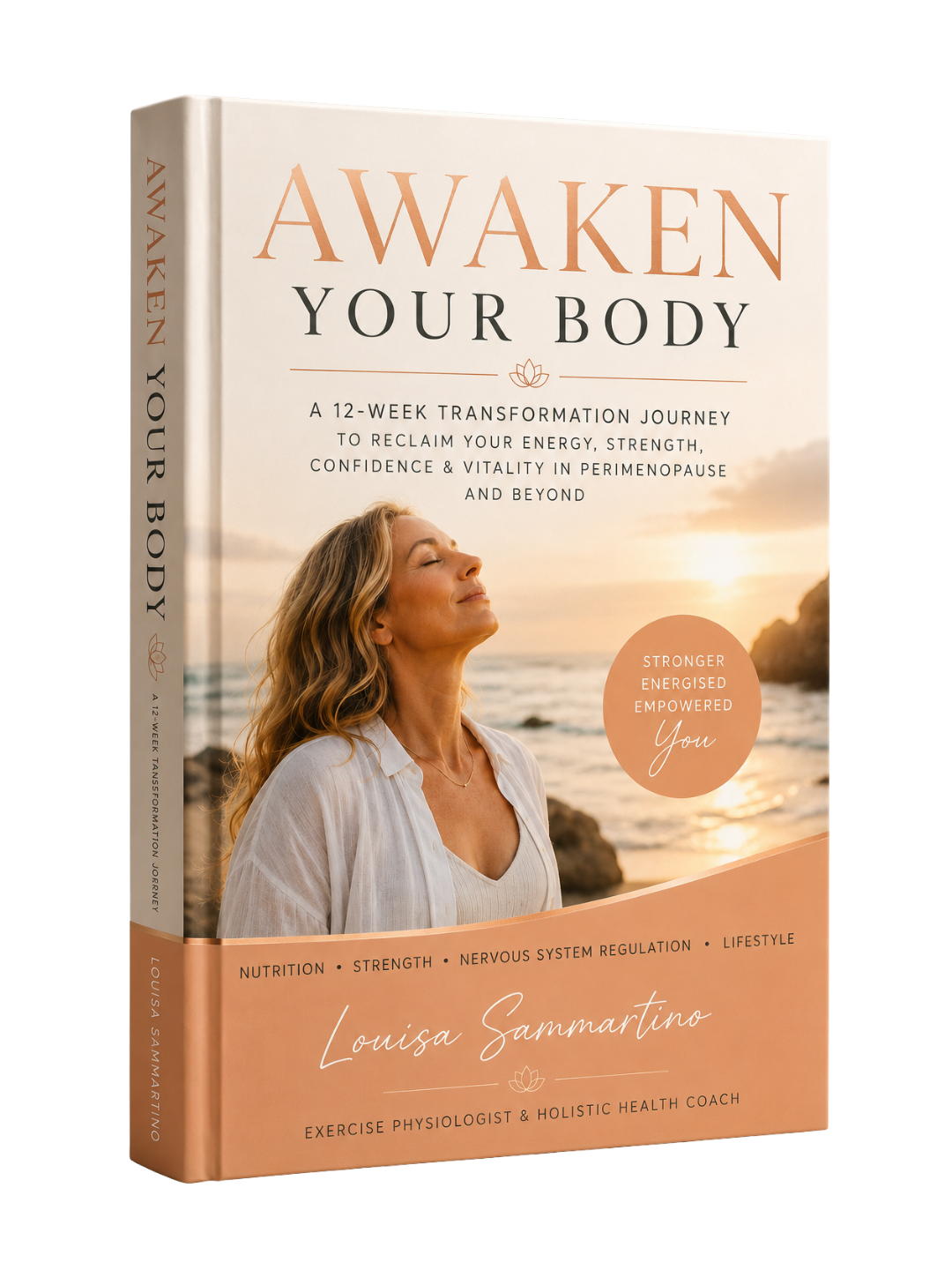
If you’d like personalised support with exercise and nutrition, my 12 week Awaken Your Body program brings these foundations together in an approach that considers your goals and everyday life.
Visit louisasammartino.com to enquire, or message me on Instagram @louisasammartino
SUBSCRIBE TO ACCESS ALL MY NEWSLETTERS
Enter your email address to subscribe for FREE
We hate SPAM. We will never sell your information, for any reason.